Cabling, Bracing & Structural Support
Save valuable trees with structural support systems. We install professional cabling and bracing to strengthen weak trees and prevent failure in Casa Grande, AZ.
Strengthen and Preserve Your Trees
Not every weak or damaged tree needs to be removed. When you have a valuable tree with structural problems, professional cabling and bracing can provide the support it needs to remain safe and healthy for years to come. Urban Timber Casa Grande Tree Service installs structural support systems throughout Casa Grande to save trees that might otherwise require removal. Our support systems reduce the risk of limb or trunk failure while preserving the beauty, shade, and value that mature trees provide.
Tree cabling and bracing is a specialized service that requires knowledge of tree biology, engineering principles, and proper installation techniques. Incorrectly installed support systems can do more harm than good, potentially causing damage or creating false confidence in a tree that is still dangerous. Our certified arborists assess your tree properly and install support systems using industry-standard methods that provide real protection.
When Trees Need Structural Support
Several situations make trees good candidates for cabling and bracing rather than removal:
- Weak branch unions: V-shaped crotches where two trunks or large branches split are inherently weak and prone to failure under wind or weight
- Codominant stems: Trees with multiple trunks of similar size lack a central leader and can split apart as they grow
- Overextended limbs: Long horizontal branches that have grown too far from the trunk can break under their own weight or during storms
- Storm damage repair: Trees with cracks or splits from previous storm damage can often be saved with proper support rather than removal
- Leaning trees: Trees that have started to lean but are not in immediate danger of falling can be stabilized and straightened with guy wires and stakes
- Historical or specimen trees: Valuable trees with sentimental or monetary value justify investment in support systems to extend their life
Not every tree can be saved with cabling and bracing. Trees with extensive decay, major root damage, or severe structural problems may still require complete removal for safety. We provide honest assessments and recommend support systems only when they will genuinely reduce risk and preserve the tree successfully.
Types of Tree Support Systems
We install several types of structural support systems, each designed for specific tree problems and conditions:
Static cable systems use high-strength steel cables installed in the upper crown to limit the movement of weak branch unions. The cables allow some natural movement while preventing the supported branches from moving far enough apart to split or break. Static cabling is the most common support system and works well for most situations involving weak unions or codominant stems.
Dynamic cable systems use synthetic rope materials that allow more natural movement than steel cables while still providing support. Dynamic systems are becoming more popular because they allow trees to develop reaction wood that strengthens the supported areas over time. These systems work well for younger trees and situations where maintaining natural movement is important.
Brace rods are threaded steel rods installed through weak unions to bolt the stems together. Bracing provides much stronger support than cabling and is used when splits have already occurred or when the weakness is severe. Brace rods are often installed in combination with cables for maximum support.
Prop systems use posts or constructed supports to hold up heavy horizontal limbs from below. Props work well for low branches that cannot be effectively supported with cables from above.
Guying systems use cables anchored to the ground to stabilize leaning trees or newly planted large trees until their roots establish properly. Guy wires temporarily support the tree while it develops stability on its own.
Our Installation Process
Proper installation is critical for support systems to work effectively without harming the tree. Here is our professional approach to cabling and bracing:
Detailed assessment. We carefully inspect your tree to identify all structural weaknesses, assess the tree's overall health, and determine if support systems will provide meaningful risk reduction. We look at the tree's condition, the severity of the structural problem, the tree's age and species, and your goals for the tree.
System design. Based on our assessment, we design a support system specifically for your tree. This includes selecting the right type of system, determining cable placement and tension, and planning installation methods that minimize stress to the tree.
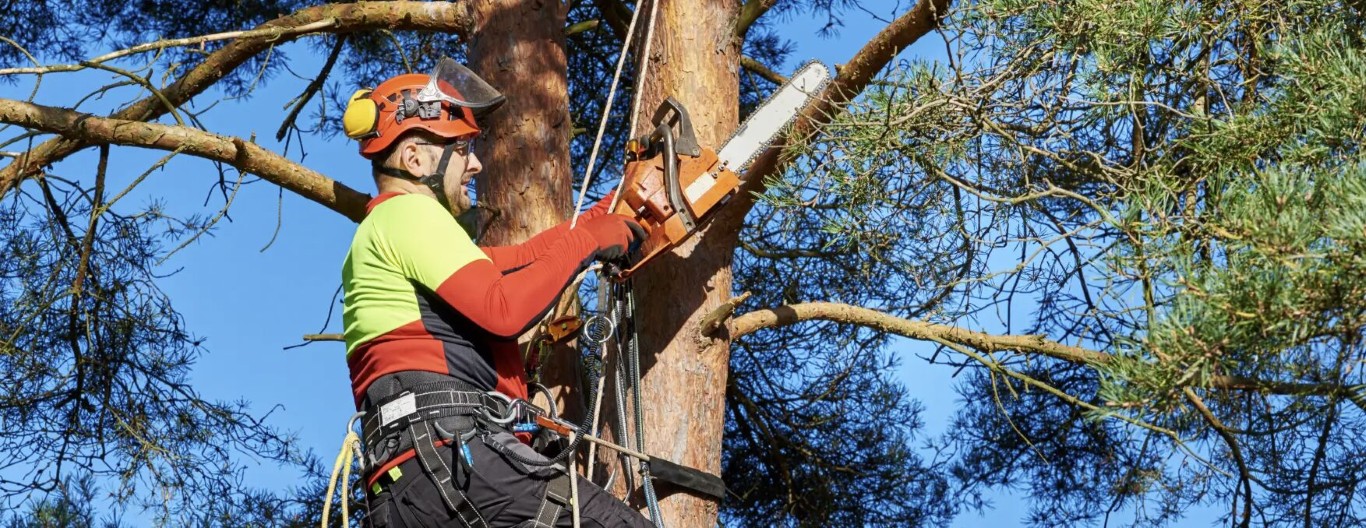
Professional installation. Our trained climbers install cables and hardware using techniques that do not damage the tree. All hardware is installed properly with appropriate sizes and strengths for the loads involved. We follow ANSI standards for tree care practices throughout installation.
Pruning as needed. We often combine support system installation with corrective pruning to remove weight from the areas being supported. Proper pruning reduces stress on the support system and improves the tree's overall structure.
Maintenance planning. Support systems require periodic inspection and maintenance. We explain what to watch for and can provide ongoing inspection services to ensure your support system continues working properly.
Benefits of Tree Support Systems
Investing in professional tree cabling and bracing provides several important benefits:
Preserve valuable trees. Mature trees take decades to grow and cannot be quickly replaced. Support systems allow you to keep trees that provide shade, beauty, privacy, and property value.
Reduce risk without removal. Support systems significantly reduce the risk of branch or trunk failure during storms, protecting your home and property while avoiding the expense of tree removal and the loss of the tree.
Cost-effective alternative. Installing support systems typically costs less than removing a large tree, especially when you factor in the cost of grinding the stump and replanting.
Extend tree life. Properly installed and maintained support systems can add many years to a tree's safe lifespan, allowing you to enjoy it longer before eventual removal becomes necessary.
Support System Maintenance
Tree support systems are not install-and-forget solutions. They require periodic inspection and occasional maintenance to ensure they continue working properly:
Annual inspections check for hardware loosening, cable damage, girdling where cables or hardware damage bark, and changes in the tree that might require adjustments. Hardware may need tightening as trees grow. Damaged cables should be replaced promptly. As trees grow, support points might need adjustment or additional support systems might become necessary.
We can provide ongoing maintenance for the support systems we install, or we can train you on what to look for so you can monitor the system yourself between professional inspections. Regular maintenance ensures your investment in tree support continues to provide protection year after year.
Thinking About Tree Support?
Get a free assessment to determine if your tree can benefit from cabling, bracing, or structural support. We will explain your options and provide detailed pricing.
Call (520) 340-7342Frequently Asked Questions
Tree Support Systems in Casa Grande
Save your valuable trees with professional cabling, bracing, and structural support. Contact us for a free assessment.